The future Nanotechnology has in medicine
Nanotechnology has been viewed as one of the most innovative technologies of our generation, with the potential to revolutionize our future.
However, very few people understand what Nanotechnology truly is. Let’s start off by breaking it down into nano and technology. The word technology isn’t just iPhones or Cloud Computing, but rather it is the branch of knowledge that deals with applied sciences. The nano in nanotechnology gets a little more complicated. Everything to do with nanotechnology is referred to at the nanoscale, which is between 1 and 100 nanometers. It’s difficult to imagine just how small that is, so here are some examples:
A sheet of paper is about 100,000 nanometers thick
A strand of human DNA is 2.5 nanometers in diameter
There are 25,400,000 nanometers in one inch
A human hair is approximately 80,000- 100,000 nanometers wide
The illustration below has three visual examples of the size and the scale of nanotechnology, showing just how small things at the nanoscale actually are.
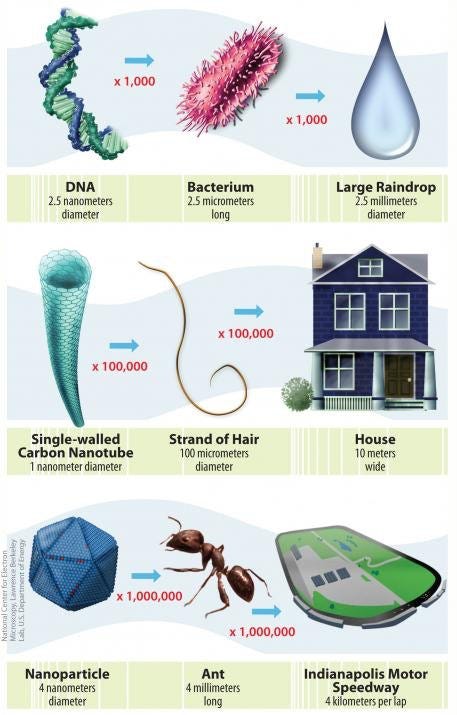
Therefore, by definition, Nanotechnology is the control and fabrication of matter at the nanoscale.
So what does the future of Nanotechnology look like?
In the medical field, it will increase by leaps and bounds due to what nanotechnology can provide.
Researchers are currently studying 5 different smart pills that will help the healthcare community in different ways.
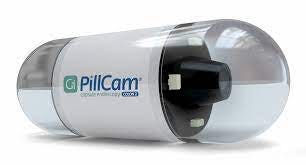
1. Pill cam
In 2001 the first ingestible camera was approved by the FDA and by 2008 it had been used in more than 2 million procedures. The pill itself is about the size of a multivitamin and is swallowed with a sip of water. The pill is made of specially sealed biocompatible material that is resistant to stomach acid and powerful digestive enzymes and thus every care is taken such that the caps will not rupture or burst. Its non-invasive diagnostic alternative that is relatively quick and easy will encourage people to see their doctors to get checked for diseases, Capsule endoscopy helps your doctor evaluate the small intestine.
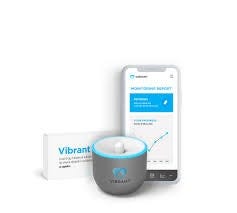
2. Vibrant Capsule
This pill is a drug-free alternative for those who struggle with chronic constipation and promotes muscle contractions to jumpstart digestion and treats constipation with little to no side effects. Research shows that when the Biological Clock is not synchronized, it may lead to constipation, among other symptoms, however when the biological clock is resynchronized, the natural bowel movement bio-rhythm is restored which is the aim of the pill.
3. Dose tracking pills
Approved to treat schizophrenia and bipolar disorder, the electronic version of Abilify is designed to help patients take their meds as directed—and, if they choose, to enlist other people in the effort. The system works by sending a message from the pill’s sensor to a wearable patch. The patch transmits the information to a mobile application so that patients can track the ingestion of the medication on their smartphone. Patients can also permit their caregivers and physician to access the information through a web-based portal.
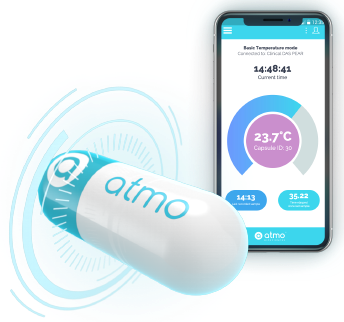
4. Atmo Gas Capsule
The sensor within this capsule can detect levels of oxygen, hydrogen, and CO2. Patients with gut problems will be able to swallow the capsule – about the size of a vitamin pill – and get real-time, continuous detection and measurement of hydrogen, carbon dioxide, methane, and oxygen in the gut. The data can be sent via a handheld receiver and mobile app to the cloud, where it can be analyzed to gain insight into gastrointestinal disorders including small intestinal bacterial overgrowth (SIBO), irritable bowel syndrome (IBS), inflammatory bowel disease (IBD), and carbohydrate malabsorption and intolerance.
5. MIT’s smart sensor capsules
MIT has designed an ingestible capsule that can be controlled using Bluetooth wireless technology. The capsule, which can be customized to deliver drugs, sense environmental conditions, or both, can reside in the stomach for at least a month, transmitting information and responding to instructions from a user’s smartphone.
The capsules, manufactured using 3-D-printing technology, could be deployed to deliver drugs to treat a variety of diseases, particularly in cases where drugs must be taken over a long period of time. They could also be designed to sense infections, allergic reactions, or other events, and then release a drug in response.
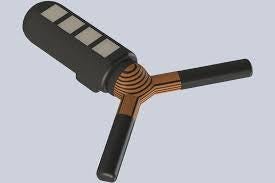
In the foreseeable future, there will not only be smart pills but also other nano applications that can be used to assist in similar ways -
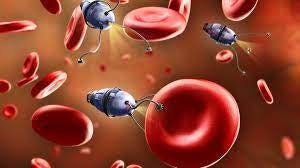
Nanobots —>
Around the world, researchers are trying to develop specialized nanobots in order to complete a wide range of surgeries including:
Performing eye surgeries
A tiny microneedle is injected through the standard needle into the eye, then the surgeons would be able to direct the needle using a specialized magnetic fieldCollecting Biopsies
Nanobots resembling unfolded cubes are made from elastic polymers which then leads to the nanobots grabbing the tissue samples by folding up, holding samples inside the cube
Nanopatch vaccines —>
Needle-free vaccine delivery methods have the potential for pain-free, improved immunogenicity vaccination by delivering directly into the skin.
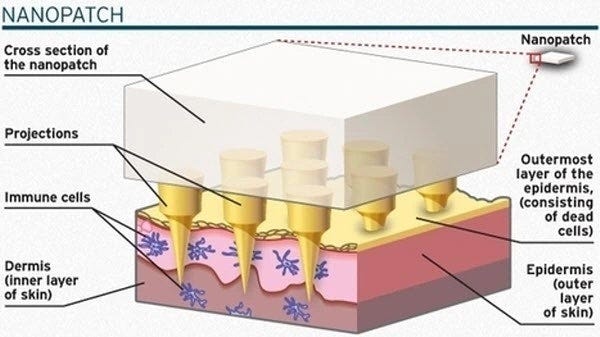
The tiny patch is covered in vaccine-coated microscopic projections and inserted under the skin painlessly using an applicator.
What are the benefits of a nano patch compared to a regular needle?
Improved Immunogenicity – Nanopatch provides an improved immune response with delivery directly to the skin through a special applicator. Instead of injecting deep into the muscle where there are fewer immune cells, it administers vaccines to the skin.
No Cold Chain – The Nanopatch is dry and does not require refrigeration. This means the distribution of vaccines to developing countries is easier.
Needle-Free – 10% of the population have a needle phobia. Needlestick injuries are common and can lead to the transmission of infectious diseases.
Pain-Free – The vaccine is delivered directly to the immune cells just below the skin where there a no nerve endings and therefore pain-free for recipients.
Cost-Effective – High volume and low-cost manufacture of Nanopatch means it can be distributed worldwide in a more cost-effective way than traditional vaccines.
Smart Bandages —>
Otherwise referred to as The future of Wound Care this smart bandage is designed to actively monitor the condition of chronic wounds and deliver appropriate drug treatments to improve the chances of healing.
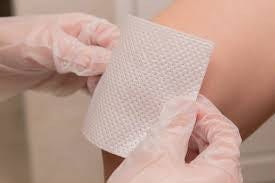
Non-healing chronic wounds are a significant medical problem – nearly 15 percent of Medicare beneficiaries require treatment for at least one type of chronic wound or infection at an annual cost of an estimated $28 billion, according to research published in Value in Health. Patients are often older, non-ambulatory, and limited in their ability to provide self-care, yet non-healing wounds are typically treated in an outpatient setting or at home. The smart bandages could provide real-time monitoring and delivery of treatment with limited intervention from the patient or caregivers.
Conclusion
To summarize, there are a variety of ways that nanotechnology is going to change the way doctors treat patients from smart pills to how they are injecting vaccines.
Nanotechnology in medicine can be used to revolutionize how to stop constipation, colon cancer, allergies, and so much more! It doesn’t stop there either, nanotechnology can also help target drug delivery, but I’ll stop myself there 😃 . The point is that nanotechnology does have the potential to change the world.
Feel free to connect with me on LinkedIn if you enjoyed this article, or email me at ikhlas.r.patel@gmail.com if you have any questions/want to discuss more!